




Double-inflated film - selection guide
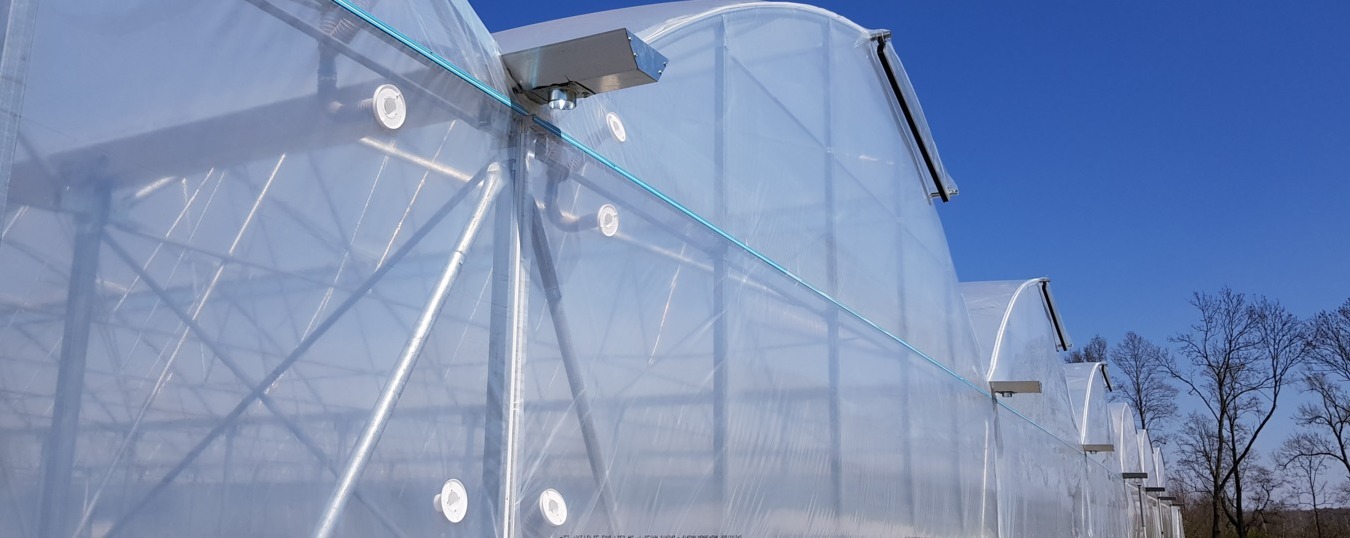
The most significant advantages of double-inflated film are:
• high energy savings of up to 25-40% of heating costs
• reduced risk of early frost
Greenhouses covered with double-inflated film maintain a temperature of 3-7°C higher than those covered with a single film, reducing the risk of early frost crop damage even in unheated facilities.
• extended film lifetime
The inner film, which is in contact with the object's structure, is not exposed to wind stress.
In contrast, the outer film, which protects the object from the wind, is not exposed to point overheating, chafing on arches and excessive chemical exposure.
For the above reasons, double-inflated film has a high and growing share of cover crops in all-season facilities in our climate zone.
In most cases, long-life films are used for the installation of double films. This installation method and material have the advantage of allowing a usually fast return on investment.
At the same time, we draw attention to a critical disadvantage of double-inflated film:
• limitation of the amount of light: instead of passing through one layer of film, light has to pass through two layers.
Because of the light limitation, we suggest using a top-quality film with increased light performance to compensate for this disadvantage and reduce the risk of a light deficit in early spring.
For some crops, a spring light deficit directly affects inadequate or delayed plant growth.
In addition - it partially limits the beneficial energy balance of the double-inflated film.
For these reasons, we suggest paying close attention to the appropriate choice of materials for installing double-inflated film.
Below is a graphic showing our suggested double-inflated film sets, from the cheapest version (Kritifil® 2925+2925) to one of the best and most expensive sets (Kritifil® 7504+2996) and the advantages obtained.
If you have any questions, we recommend a telephone consultation directly with our Service Team. +48 606 38 58 33.
The graphic shows the suggested and most frequently purchased interior and exterior film sets at Geo Polska.
Looking from the left, the cheaper versions (but still a very good choice for most crops), and moving successively to the right, the more expensive versions. You get an extra set of benefits by paying extra for a better material (inner or outer layer).
It is essential to be realistic about your needs and to choose a material that will give you the best possible return on investment over the long life of the film.


